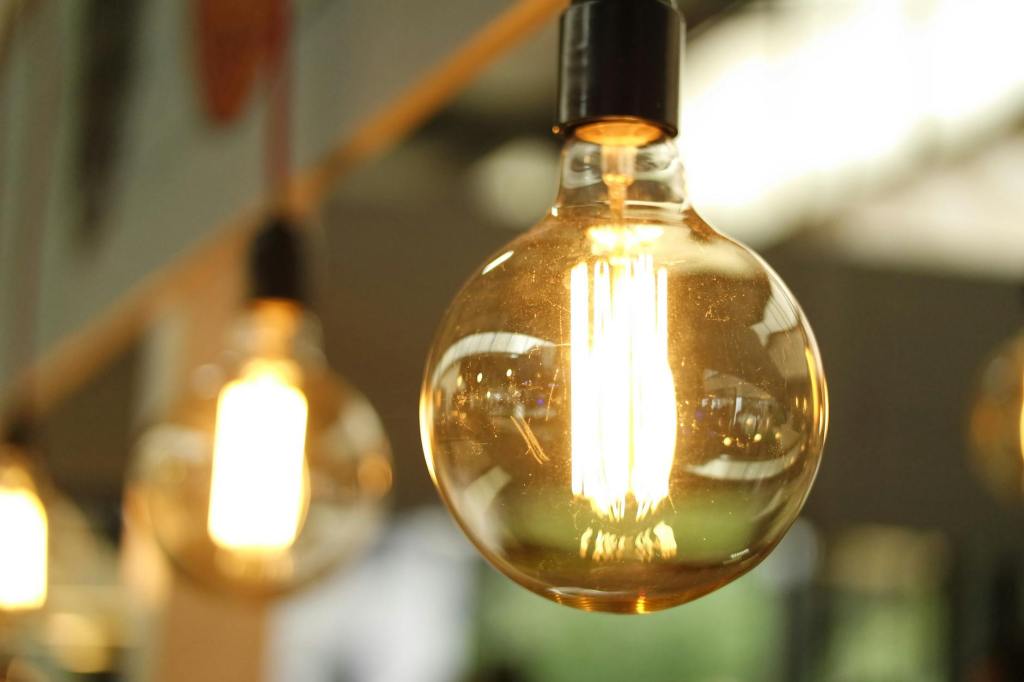
Can you imagine living without electricity for eight hours of the day, at different periods of the day, which alternate weekly or daily?
Imagine standing in queue, on a Sunday afternoon, with a cart full of groceries for the week and suddenly the lights go out, or shopping for items in your local pharmacy with your cellphone’s flashlight. Welcome to our reality in Zambia. We are experiencing load shedding, a coordinated reduction of electricity. Zambia is dependent on hydropower, but low rainfalls have placed the country in a power supply shortage. We are one month in, anticipating eleven more months until the next rainy season begins in November (it is rough).
When I speak to Zambians about load shedding, of course, they communicate disappointment and share their anticipation for a difficult year. They explain that the price of food will increase, access to water jeopardized and the demand for charcoal will increase, which counteracts the country’s effort to fight against the world’s climate crisis. I have personally observed the impact on small businesses, salons, welders, and corner stores that cannot afford to operate a generator. But what can one do but figure out how to survive and adjust to new daily routines?
It is an interesting occurrence for me. I have been here for a little over twelve months and the moment I decide to extend my stay, a drought becomes center stage and I wonder if I made the correct decision. More than anything, I am reminded of my privileges, specifically, the privilege to leave. I choose to stay, but I can decide at any moment to return home. That is not an option for many of my neighbors.



 jess•make•room
Leave a comment